As one of the few veterinarians in the state of Indiana who is licensed to care for Wildlife, I cannot tell you how many times I get this question. So I wanted to share the most common concerns with “what to do next” instruction for all those kind souls out there who feel helpless when they find a poor critter in need.
1. Determine if the mom is still around. The most common mistake people make when they find infant wildlife is to think they are orphaned when in fact they are NOT. Mom is usually nearby and likely waiting for you to leave so she can come get her babies. Give her time to do this. Momma Rabbits only feed their babies at night and usually only ONCE a day! If you have uncovered a nest the best thing to do is to leave it alone (as long as it is in a safe place). If the nest is not in a safe area (i.e: your dog or cat knows where it is and has already attacked it) you can either move the nest to the closest safe area, or protect the nest as best as you can (fencing that would keep your pet out but allow mom to get back for example). Baby rabbits do not do well without their mom and even the best rehabbers loose most of the bunnies they try so hard to care for. You are NOT doing them any favors by removing them from their nest – it is unlikely that they will survive.
Momma raccoons typically keep their babies in a homemade nest, but unfortunately it is frequently inside of someones garage, shed, attic or deck. If this is the case, you CAN move the babies but move them where mom can find them and take them away. She will likely come back when it’s dark, but may come in the daytime too. Raccoons are the one animal that ALL rehabbers fill up on every year. When this happens, orphaned babies are then euthanized so it is VERY important to reserve these precious spots for baby raccoons who are truly orphaned and not just taken from mom because she is a nuisance.
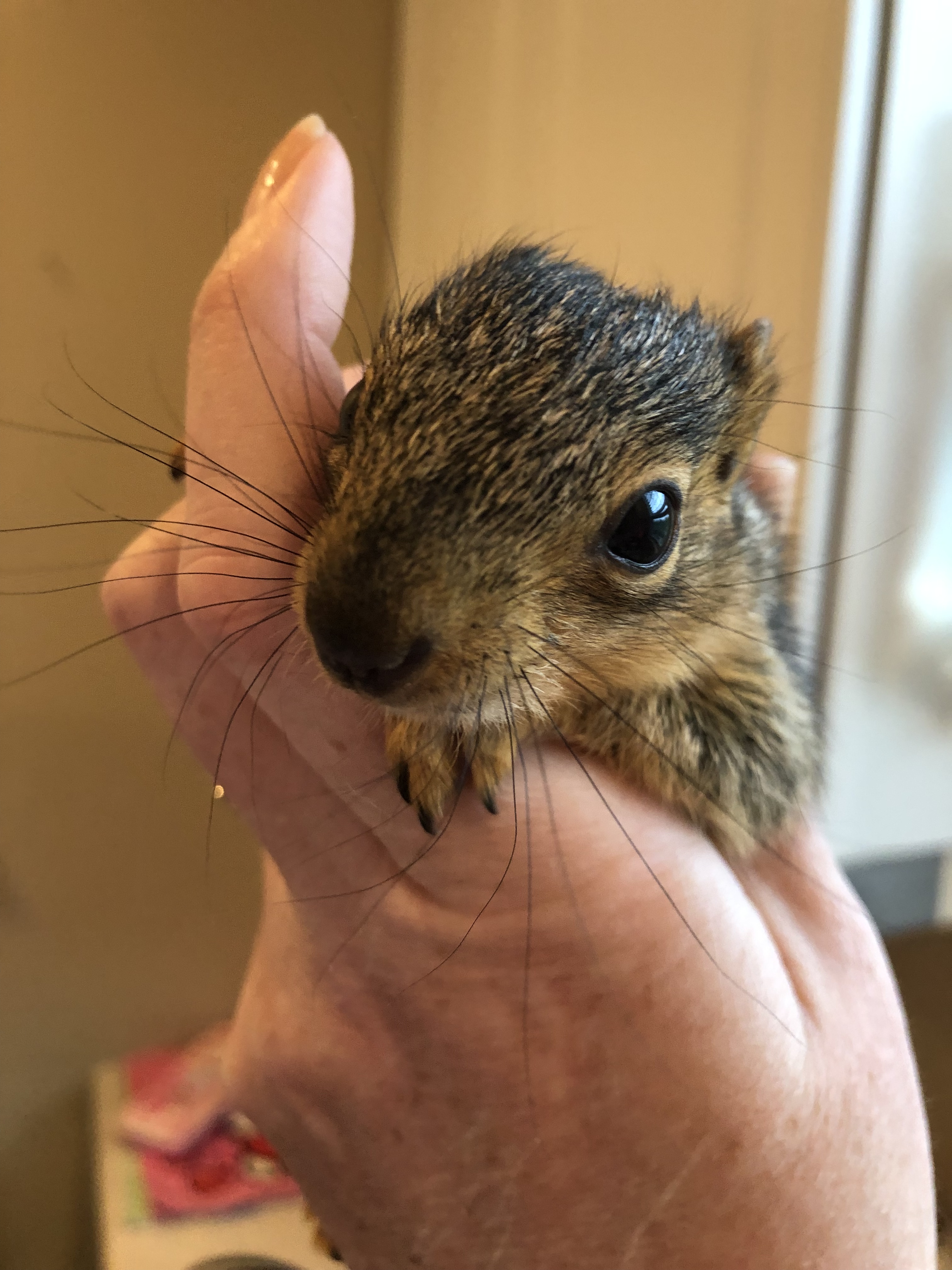
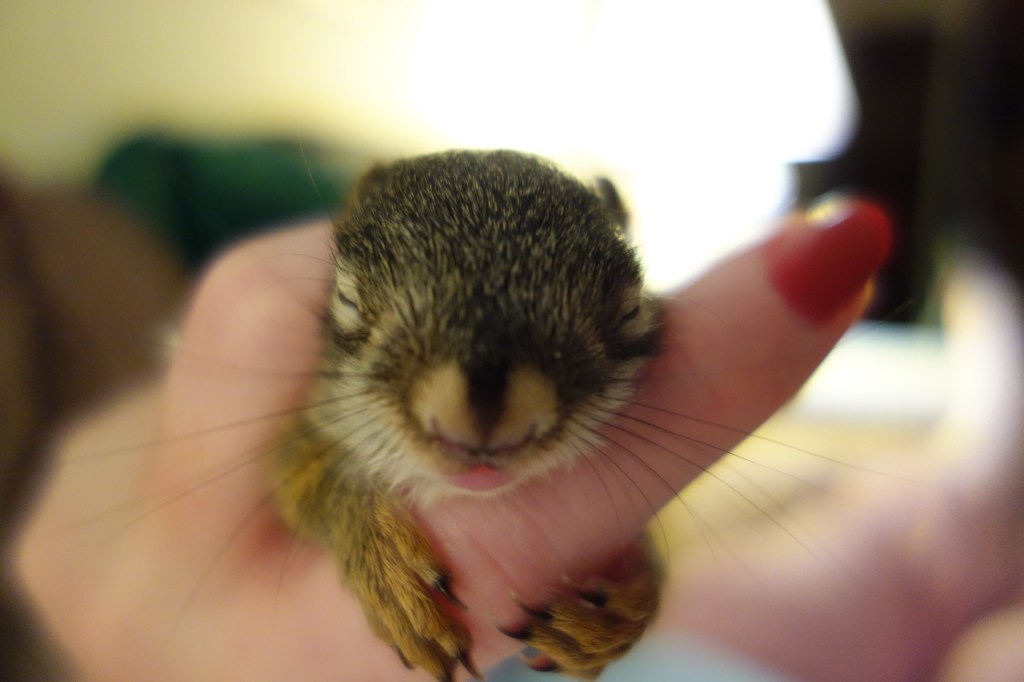
Squirrel babies area typically found when they have fallen out of a nest, or a tree comes down with the nest in it. Again, mom is typically not far away so give her the chance to get them back. If she is truly gone, then it is best to bring them to a rehabber.
2. Assess the animal’s overall condition: is it responsive? Does it have obvious injuries? And most importantly, can you SAFELY transport the animal should you need to?
3. Generally, if an animal is injured, it is going to need the attention of a qualified wildlife rehabilitator and/or veterinarian. SAFELY transporting an animal means that in doing so, no one is injured (you, your kids, or the animal you are trying to help).
- You don’t need to have a fancy crate on hand. Cardboard boxes work wonderfully as do large Tupperware containers – just remember neither should be closed tightly as ventilation is very important.
- If you cannot find something to place the animal in, (or have time to get one), a towel or blanket can work very well. But caution! This should only be used for critters that are barely moving. Even sweet little bunnies can cause serious injuries (even to themselves!). In their efforts to get away, rabbits can easily break their backs.
4. Once the animal is safely contained, and out of a dangerous area ( like the middle of the road) go to the DNR website to find a local wildlife rehabber.
5. Start calling! Unfortunately, this is where most people become very frustrated – and understandably so. When you have an animal that you know needs help and yet you can’t get a hold of anyone, it becomes very frustrating. The sad reality is, there are so very few of us in the state of Indiana, and every year there are more animals that need help than the number of rehabbers who have the capacity to help them. While you are waiting, keep the animal in a warm, QUIET, and dark area.
The very fact that you are reading this indicates how much you care and I deeply thank you for that. Wildlife care runs solely off donations so one way that anyone can help is to donate. Some rescues also list resources they need such as paper towels, newspapers, towels and blankets, just to name a few. If you would like to donate to us, please visit our website at: www.cherishedlife.org
Lastly, and VERY important – if you feel you cannot safely move an animal, please notify someone who CAN immediately. Minutes can mean life of death for an injured animal.

 Dr. Mary's Blog